
Chills on the Back: Symptoms, Duration and Natural Treatment
Back pain is a common problem that causes intense muscle pain and stiffness, making everyday movements difficult. It is essentially a prolonged muscle spasm (myalgia) in the back area. The term “back pain” is colloquial and is not found in international medical terminology, but it describes a very real condition. Muscles and tendons harden when they get cold, resulting in pain and limited mobility. In this article, we will look in detail at what back pain is, how long it lasts, what symptoms characterize it, and how we can treat it naturally. You will also find practical advice (even traditional medicine) for immediate relief, prevention tips, and the role of therapeutic massage in recovery.
What is back it
Chills are the name given to the acute pain and intense “tightness” in the muscles of the back (or other area) that usually occurs after sudden exposure to cold or drafts. In fact, it is a muscle spasm – the muscles remain contracted (stretched) longer than normal, causing pain. The official medical designation is myalgia due to prolonged muscle spasm. The areas most commonly affected are the neck, back, waist and ribs, as these muscles support a large part of our skeleton. Although chills are not considered a dangerous condition, they can be very annoying and can immobilize us for a few days.
Causes – Why do we get cold?
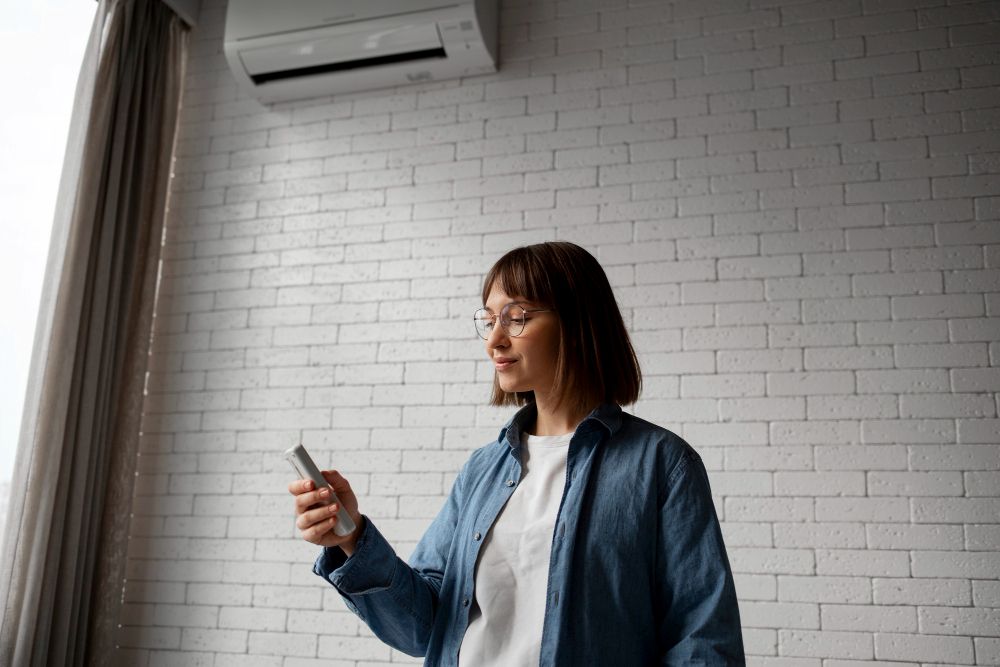
The causes of chills in the back are related to anything that can cause muscle spasm or intense muscle contraction in the area. Common causes and factors that trigger a chill are:
- Exposure to cold drafts or humidity: The classic example is an air conditioner blowing directly on you or sitting sweaty in a draft. Long-term exposure to cold (or a sudden change from hot to cold) is strongly associated with back pain, because cold muscles stiffen and spasm.
- Sudden movements or incorrect posture/handling: A sudden twisting of the back or the incorrect lifting of a heavy object can cause a muscle strain that manifests as “chill.” Often the initial cause is mechanical strain, but the pain appears a few hours later, especially if combined with cold.
- Abrupt temperature change: For example, in the summer we enter a cold, air-conditioned room sweating. The thermal change between hot and cold “shocks” the muscles and can trigger a spasm.
- Excessive fatigue or stress: Intense anxiety and stress can also contribute to muscle spasms (the muscles are already tense). If we are exhausted or stressed, even a little exposure to cold is enough to “catch up.”
- Poor physical condition: Lack of exercise and weak muscles mean that our bodies are more vulnerable. People with a weak core or spinal problems are more likely to get colds. On the other hand, good muscle strength and flexibility reduce the chances (more in the prevention section).
Back pain from cold – Symptoms
Acute and “pulling” pain: Back pain from colds tends to be sudden and intense. It is often described as a “stab” or a strong cramp in a specific part of the back. The pain may worsen with the slightest movement or deep breath.
- Οξύς πόνος και “τράβηγμα”: Οι πόνοι στην πλάτη από ψύξη τείνουν να είναι αιφνίδιοι και έντονοι. Συχνά περιγράφονται σαν “μαχαιριά” ή δυνατή κράμπα σε ένα συγκεκριμένο σημείο της πλάτης. Ο πόνος μπορεί να χειροτερεύει με την παραμικρή κίνηση ή βαθιά ανάσα.
- Stiffness and difficulty moving: The back area “goes wild” and tightens, making it difficult to twist the torso or bend over. In severe cold, there can be almost complete rigidity of the muscle and the surrounding area – we feel “like a statue” and every movement hurts.
- Local tenderness: We usually identify a specific spot that was “caught.” The muscle there may be hard to the touch and tender. There may be mild edema (swelling) or inflammation locally, causing a “burning” or stinging sensation.
- Relieved by heat – worsened by cold: A characteristic of cooling is that applying heat (e.g. a heating pad) usually reduces pain, while cold current intensifies it. This is because heat relaxes the spasm, while cold intensifies it even more.
Unlike other causes of pain, there is no fever or other symptoms of infection in colds (it is purely muscular). Also, cold pain is made worse by certain movements (e.g. turning, deep breathing) and is not constant in a state of complete immobility. If you have back pain and are wondering if it is cold or something else, consider whether you were previously exposed to drafts/cold or made a sudden movement.
If the pain lasts more than 1-2 weeks or is accompanied by unusual symptoms (e.g. numbness, kidney pain, shortness of breath), it is a good idea to consult a doctor. In some cases, it may be a muscle strain or neuralgia (e.g. intercostal neuralgia) that requires a different approach.
How long does it last?
Back pain in most cases lasts only a few days. With proper care, pain and stiffness usually improve within 3 to 7 days. In more severe cases, full recovery may take up to two weeks. If symptoms do not improve after 10–14 days, medical evaluation is recommended.
Immediate Treatment
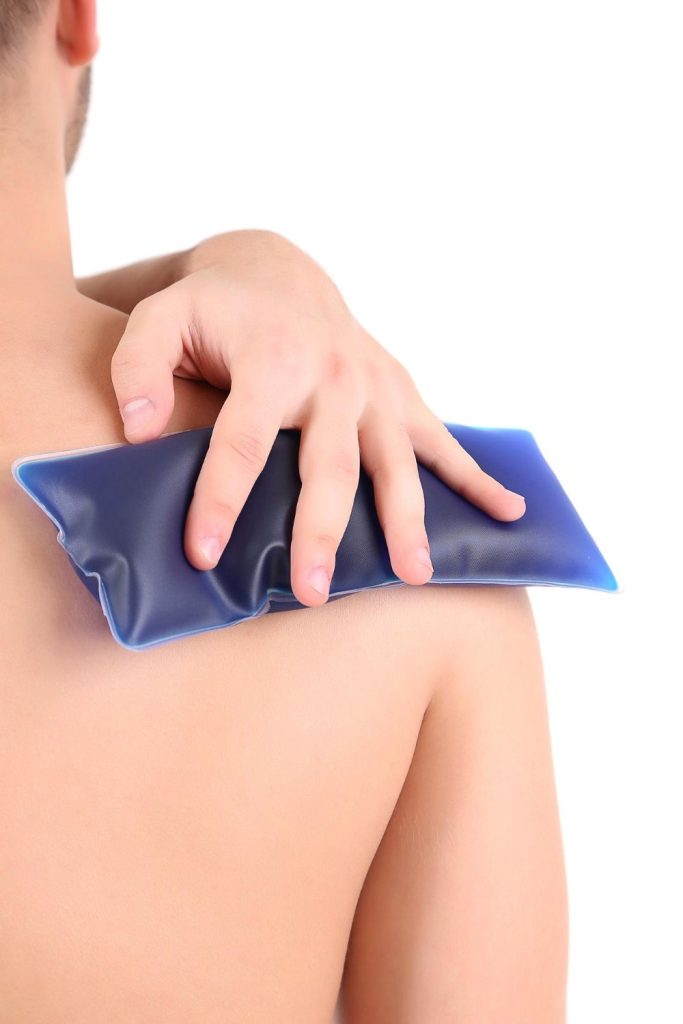
1. Heat to the affected area: Heat helps muscles relax, increases local blood circulation and reduces muscle spasm. As soon as you feel the pain, apply local heat to the affected muscle with a heating bottle, warm compresses or a warm bath (letting the hot water run down your back).
2. Rest but not immobility: Give yourself some time to rest and avoid strenuous activities (e.g. lifting weights for 1-2 days). Muscles need time to recover. However, do not stay completely still for many hours. Absolute immobility can make muscles even stiffer. Prefer gentle movement and stretching once the acute pain subsides. For example, you can do gentle back stretches or walk around the house for a while.
3. Warming ointment: Apply a warming cream/ointment to the area. Pharmaceutical ointments containing substances such as capsaicin, methyl salicylate or nicotinamide cause a feeling of heat locally and contribute to the resolution of the spasm. Applying a warming ointment to the affected area is usually the first thing recommended by experts.
Be careful not to rub with pure alcohol – this popular practice is not recommended, as the alcohol evaporates and cools the skin (i.e. it has the opposite effect to the desired one).
4. Analgesic and anti-inflammatory treatment (if necessary): If the pain is very strong and you have difficulty with basic movements, you can take a painkiller and/or muscle relaxant. Ibuprofen or paracetamol may help relieve pain, as well as a muscle relaxant that will reduce spasm.
5. If the pain is located high up (neck): In the case of a cold in the neck or high back, your neck may feel “locked”. For relief in the neck, doctors often recommend wearing a soft cervical collar for 1-2 days. The collar keeps the neck warm and stable, helping the muscle to relax. It is worn mainly when the cold is located in the nape of the neck and you have difficulty turning your head. It is not necessary in every case, only in the most severe colds of the neck.
By following the steps above, you should see gradual improvement within the next 24-48 hours. If there is a minor relapse (e.g., you get sick again because you were exposed to cold again), don't worry, just repeat the relief measures. The key is warmth, rest, and gentle movements. The cold will pass soon, as long as we give our body a chance to heal.
Natural Remedies

Beyond the basics mentioned above, there are also natural remedies – including some traditional “medicines” – that can speed up recovery and relieve pain from the cold. Since we are essentially talking about a muscle problem, anything that helps the muscles relax and recover is welcome. Some alternative and complementary solutions are:
- Massage with natural oils: A gentle massage of the affected area can work wonders, as it improves circulation and relaxes tight muscles. Use oils that have warming or relaxing properties, such as eucalyptus, pine or camphor essential oil in a base of almond oil. For example, 5 drops of eucalyptus and pine essential oil in 100ml of oil makes an excellent massage oil. Gently rubbing this mixture will warm the area and reduce the tightness.
- Warm compresses with herbs: Compresses are one of the oldest remedies for muscle pain. You can enhance their effect with herbs. One way is to make a compress with chamomile: boil 1-2 liters of water with a few tablespoons of dried chamomile (or chamomile tea bags), soak a clean gauze or towel in the decoction, wring it out and apply it warm (not hot) to your back. Chamomile has anti-inflammatory and soothing effects, helping muscles relax. You can also add a few drops of lavender or eucalyptus essential oil to the compress for additional relief. Repeat the compresses several times a day.
- Hot herbal bath: Fill your bathtub with warm water and add a cup of chamomile or passionflower tea. Soak for 10-15 minutes. The hot bath will relax your entire body, and the herbal vapors will add a layer of relaxation. Alternatively, you can use Epsom salts (magnesium sulfate) in the bath, which are known to relieve muscle pain.
- Arnica and natural ointments: arnica (Arnica Montana) is an herb famous for its analgesic properties in muscles and is widely used by athletes. You will find it in gel or cream form in pharmacies. Applying arnica cream to the back can reduce pain and inflammation naturally. There are also natural painkilling ointments with herbal blends (e.g. capsaicin from cayenne pepper, comfrey, lavender) that you can try. These work by increasing blood flow and reducing the sensation of pain.
- Acupuncture and reflexology: If you have access to a professional, acupuncture can provide immediate relief from a muscle spasm. By inserting very fine needles into specific points, endorphins are released and muscle tension is relieved. Also, techniques such as reflexology (pressure on reflex points on the feet) have been reported to help with cases of cervical or spinal cold. Of course, these treatments should be performed by specialized therapists.
- Therapeutic massage by a professional: Perhaps the most pleasant and effective natural treatment is a therapeutic massage on the back. An experienced massage therapist will apply appropriate techniques to relax tight muscles, without causing you additional pain. Massage improves local blood circulation, eliminates accumulated lactic acid from the muscle and helps release of spasmMany experts recommend massage as a complementary treatment in such cases, because it offers natural relief and speeds up recovery. In Athens Massage Center, for example, we offer specialized therapeutic massage for musculoskeletal pain. Our therapists They know how to treat a “stuck” back with gentle massages, helping you feel better from the very first session. The important thing is that the massage should be adapted to your tolerance – always inform the therapist that you are cold, to avoid too much pressure at the beginning. A properly applied massage is safe and natural solution for the pain of cold, while offering deep relaxation and a feeling of well-being.
If you suffer from back pain or repetitive strain, give our services a chance. Athens Massage Center offers specialized therapeutic massage programs for muscle pain relief. Contact us today to book your appointment and trust our experienced professionals to help you regain your flexibility and comfort!
Prevention
Once you've had this discomfort, you'll definitely want to avoid future episodes of back colds. Prevention is mainly based on avoiding the factors that cause it. Here are some useful tips to keep back colds at bay:
- Avoid drafts: Don't sit in drafty areas, especially if you're sweating. For example, avoid sitting in front of an open window or under an air conditioner. If that's not possible, protect your back with clothing or move around periodically.
- Use air conditioning properly: Set the air conditioning to a reasonable temperature (e.g. ~26°C in summer) and do not let the air blow directly on you. Clean your A/C filters regularly – poor maintenance can worsen your sensitivity. Also, don’t sleep all night with the air conditioner on.
- Dry your hair and clothes thoroughly: After bathing, make sure to dry your body and hair thoroughly before going outside. Don't sit around in a wet swimsuit or sweaty clothes – change them as soon as possible if you sweat. Moisture on the body combined with coolness is a surefire recipe for chills.
- Avoid sudden temperature changes: Give your body time to adjust when moving from a very hot to a very cold environment. For example, turn off the A/C shortly before arriving at your destination so you don't have to step out of a freezing car into the heat. If you know you're prone to it, wear a light scarf or cardigan in areas with strong cooling.
- Dress appropriately: Make sure to keep your back warm in cold weather. A warm vest or scarf thrown over your shoulders can protect you from “creepy” drafts. Even in summer, carry something with you to throw over yourself if you enter a freezing indoor space.
- Regular exercise and stretching: Strengthen your back muscles and improve their flexibility through exercise. Fitted core = fewer colds. Back and abdominal strengthening exercises, as well as stretching (especially for the neck and shoulders) can dramatically reduce the likelihood of getting “caught.” Also, always do a proper warm-up before exercising so that your muscles don’t suddenly spasm.
- Watch your posture: Poor posture (slouching, hunching over in a chair) strains your back muscles. Over time, it can make them more vulnerable to colds. Try to sit and stand with a straight back, and take breaks if you work long hours sitting. A little attention to your posture will prevent both pain and unwanted “grips.”
By following these tips, you will significantly reduce the chances of experiencing a cold back again. Prevention is always better than cure – especially when it comes to pain, no one wants to experience it if they can avoid it. In addition, by taking care of such details (clothing, posture, air conditioning) you take care of the overall health of your spine and muscles, which can only have positive results.
When to seek professional help
In most cases, a cold on the back can be successfully treated at home. However, there are some cases where it is advisable to consult a specialist:
- When the pain doesn't go away: If 7–10 days have passed and despite care the pain remains just as strong or even gets worse, it's time to get checked out. There may be a muscle strain or other injury that needs more targeted treatment.
- When attacks recur frequently: If you experience back pain very often (e.g. every few weeks), a physical therapist can assess your posture and identify if there is a chronic muscle problem. You may need a strengthening program or ergonomic changes in your daily routine.
- Symptoms beyond just pain: If you have neurological symptoms along with the pain (e.g., numbness in the hands, weakness, intense burning along the side) or difficulty breathing, then the pain may not be a simple cold but something pressing on a nerve. A medical examination will rule out more serious conditions (e.g., herniated disc).
- Doubts about the diagnosis: If you are not sure that it is a cold – especially if there was no previous exposure to cold – the doctor will help clarify the picture. As we said, “cold” is not an official diagnosis, so it is good to confirm that the pain is indeed due to a muscle spasm and not to another cause.
The specialist can give you instructions, physical therapy or medication to overcome the problem. For example, many times a series of physical therapy sessions (with diathermy, ultrasound and manual massage) permanently solves a persistent muscle spasm. Don't hesitate to ask for help if the pain bothers you - there is no reason to suffer in silence, when there are solutions.
Therapeutic Massage: The Natural Ally in Rehabilitation
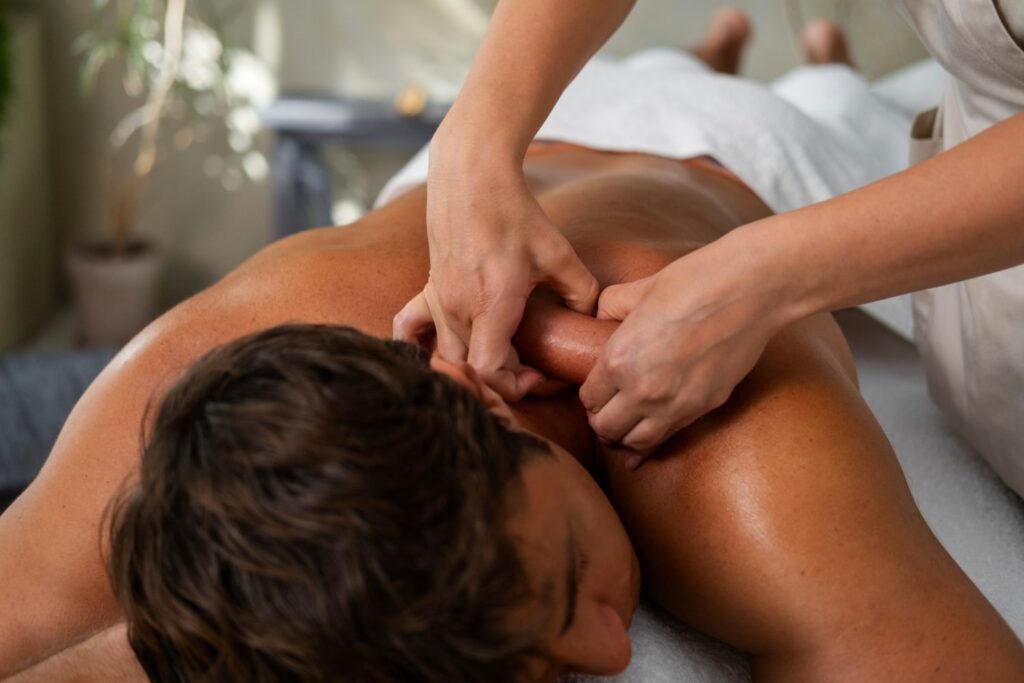
In closing, it is worth focusing a little more on therapeutic massage as a means of treating and preventing colds. Massage is one of the basic services of Athens Massage Center, so we have extensive experience in pains such as those caused by colds in the back.
Why does massage help so much? First, because it acts directly on the tight muscle. With the right massages, the therapist unties the knots in the muscle fibers, allowing blood to circulate normally again and the muscle to be oxygenated. This results in faster recovery than simply waiting passively for the pain to pass. According to experts, physiotherapy intervention with techniques such as therapeutic massage, acupuncture and diathermy is recommended in every case of cold sores - and in the most serious cases, it is considered mandatory - in order to have the best possible result.
Second, massage has an added benefit: it offers general relaxation and well-being. After a painful experience like a cold, the body (and nervous system) are in a state of tension. A relaxing therapeutic massage will not only relieve local pain, but will also help you de-stress, sleep better, and feel lighter overall. This holistic improvement certainly contributes to a faster recovery – when we are relaxed, the muscles “memorize” the relaxed state and do not easily return to spasm.
At Athens Massage Center we have special massage protocols for muscle pain. Whether it is lower back pain, or a “stuck” in the neck or back, our therapists apply techniques from Swedish massage, sports massage and other therapeutic methods, tailored to your needs. For example, we can focus on the back area with gentle massages and gradually deeper pressures as the muscle warms up, combining hot packs or oils if necessary. The result is that the tension leaves the “knot” and the pain is noticeably reduced. Many of our clients report immediate relief from the first session, and complete recovery within 2-3 sessions (for the most difficult cases).
Επιπλέον, μπορούμε να σας καθοδηγήσουμε σε ασκήσεις διάτασης και ενδυνάμωσης που θα αποτρέψουν μελλοντικές ψύξεις. Οι θεραπευτές μασάζ μας, σε συνεργασία με φυσικοθεραπευτές, θα σας δείξουν απλές διατάσεις για την πλάτη και τον αυχένα που μπορείτε να κάνετε στο σπίτι, καθώς και συμβουλές εργονομίας (π.χ. σωστή θέση ύπνου ή εργασίας) ώστε να μην επαναληφθεί το πρόβλημα. Με άλλα λόγια, το μασάζ δεν αντιμετωπίζει μόνο το σύμπτωμα, αλλά σας βοηθά να χτίσετε μια καλύτερη μυοσκελετική υγεία συνολικά.
If you suffer from back pain or repetitive strain, give our services a chance. Athens Massage Center offers specialized therapeutic massage programs for muscle pain relief. Contact us today to book your appointment and trust our experienced professionals to help you regain your flexibility and comfort!
FAQ
Q: Can air conditioning make my back cold?
A: Yes, sitting in a cold draft from an air conditioner is one of the most common causes of chills. Especially if you sweat and then sit in front of an A/C or fan, your muscles cool down quickly and can become stiff. That's why it's recommended that you don't let the air conditioner "blow" directly at you and keep it at a moderate temperature (e.g. ~26°C in the summer). If you have to be exposed to strong air conditioning, make sure your back is covered and take breaks outside the cold environment.
Q: Should I apply hot or cold to the cooling? Which is better?
A: Almost always, hot helps more. Heat relaxes muscle spasm and reduces pain, which is why we recommend heating pads, hot compresses, and hot baths. On the other hand, cold (ice) is usually not recommended for classic cooling, because it makes the already tight muscle tighten even more. Only in a few cases, where there is intense inflammation with a burning sensation, can a little ice be applied initially – but this is not usual with simple cooling. So, trust the warmth. Also, avoid rubbing alcohol, because as we mentioned, they cool the skin and do harm instead of good.
Q: Can I get a massage when I have a cold on my back or will it make it worse?
A: You can and it is highly recommended to get a massage, as long as it is done by a professional and in the right way. Therapeutic massage is one of the complementary therapies that helps a lot in relieving back pain from a cold. An experienced therapist will apply gentle pressure and massage that will relax the muscle without injuring you. You should not massage too hard for the first couple of days, but a gentle relaxation massage will increase blood flow and loosen the tightness more quickly. Many people are afraid that massaging “on a tight muscle” will hurt – in fact, if performed correctly, you will feel better immediately and the muscle will soften. Of course, let your therapist know that you are feeling cold so they can adjust the intensity accordingly. At Athens Massage Center, we pay special attention to such cases to ensure a safe and effective massage experience.
Q: Can back spasms cause other health problems?
A: By themselves, a back spasm (muscle spasm) doesn't cause anything more serious or permanent. It's not an infection or contagious – it's just a tight muscle. The main risk is that your quality of life will be reduced for a few days due to pain and limited movement. However, indirectly, if the spasms happen too often or last too long, they can lead to poor posture (due to avoiding pain) or chronic muscle tension. That's why it's important to fully recover the muscle after a muscle spasm with stretches and exercises so that it doesn't become "vulnerable." Also, keep in mind that back pain that persists for weeks is probably not just a cold – if that’s the case, you should be examined for other causes (e.g., disc disease). Bottom line: coldness itself is harmless but annoying, and we should see it as a warning sign that our muscles may need better care.
Q: How is cold sores different from other back pains?
A: Cold sores are essentially acute muscle pain caused by spasm due to cold or sudden movement. Other back pains can have different causes – for example, a herniated disc, arthritis in the spine, neuralgia or injury. In comparison, cold sores: (a) Appear suddenly after exposure to cold or poor movement, while others may develop more gradually. (b) Does not cause symptoms such as numbness or weakness in the extremities – these would indicate nerve involvement (e.g. sciatica). (c) It subsides relatively quickly (days or a few weeks at most), while e.g. discogenic pain can last for months. (d) It is completely relieved by conservative measures (heat, massage, physiotherapy), while other conditions may require more invasive treatments. So if the pain fits the profile of cold (sudden, after cold, with grip), it is probably that. However, if it has a different behavior or history, it should be evaluated for other causes. In any case, a specialist can distinguish with certainty the cause of your pain.
Conclusion: A cold back can be an unpleasant experience, but fortunately it is something temporary and treatable. With the right care – heat, rest, gentle mobilization and possibly therapeutic massage – you will soon return to your normal rhythms. The key is to listen to your body: pain is the body's way of telling you to pay attention. So pay attention to it, take care of your back and at the same time take steps to prevent it from happening again.
Πηγές: Το άρθρο βασίστηκε σε συνδυασμό αξιόπιστων πηγών και εμπειρίας. Πληροφορίες αντλήθηκαν από φυσικοθεραπευτές και γιατρούς, επιστημονικά άρθρα υγείας, καθώς και από την τεχνογνωσία του Athens Massage Center στην αντιμετώπιση μυοσκελετικών πόνων.
- https://www.healthline.com/health/back-pain/lower-back-spasms
- https://my.clevelandclinic.org/health/diseases/22881-back-spasms
- https://www.chelwest.nhs.uk/your-visit/patient-leaflets/medicine-services/neck-pain
- https://www.uhsussex.nhs.uk/resources/self-treatment-of-acute-neck-pain-2/
- https://www.mayoclinic.org/diseases-conditions/muscle-strains/diagnosis-treatment/drc-20450520
- https://mcpress.mayoclinic.org/living-well/how-to-relieve-back-pain-at-home/
- https://www.medicalnewstoday.com/articles/muscle-pain-due-to-cold-weather
The advice we provide is for informational purposes only and is not a substitute for medical advice. For any questions or persistent symptoms, please consult a healthcare professional. Good luck and take care of yourself!


