Massage benefits: how it helps the body and mind
The main benefits of massage are related to relaxation, reducing muscle tension, pain relief, and an overall sense of well-being. According to the Mayo Clinic, massage can help reduce stress, muscle tension, and pain, and is often used as a complement to care and rehabilitation programs.
If your body feels "heavy", stuck or constantly tense, a proper massage session can act as a reboot.
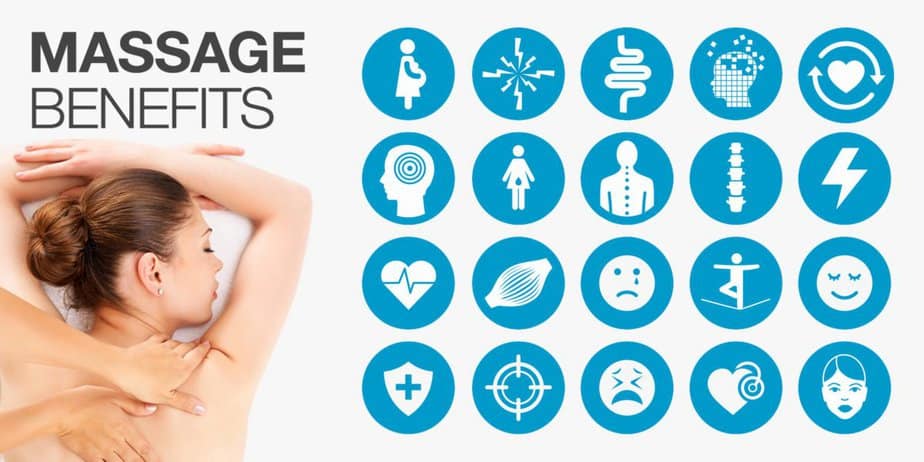
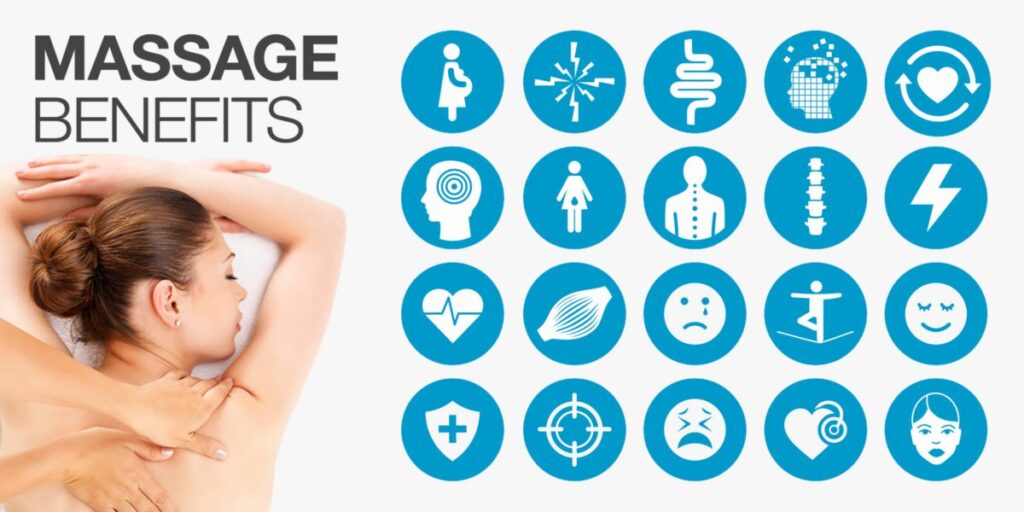
In a nutshell, the main benefits of massage are:
- reduces stress and helps the body relax
- relieves muscle tension, cramps and discomfort
- helps blood circulation and a feeling of lightness
- contributes to better sleep
- supports flexibility and mobility
- helps with recovery after fatigue or exercise
- offers a sense of well-being and personal care
Below we will see in detail how each of these works in practice.
The main benefits of massage in detail
Reduces stress and helps with relaxation
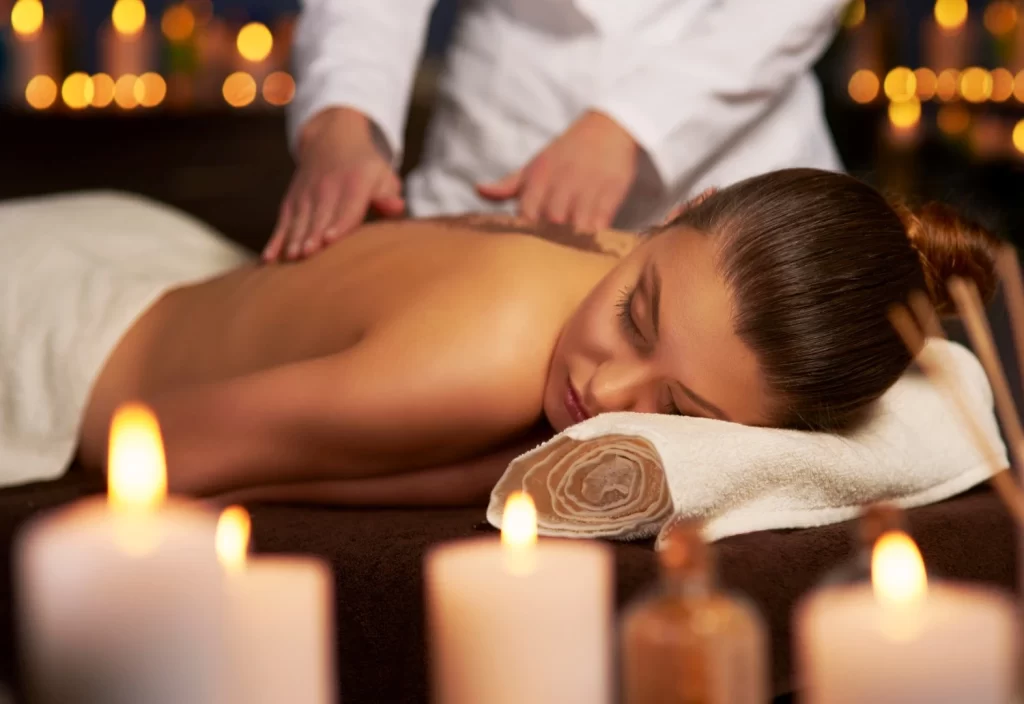
One of the most well-known massage benefits is relaxation. When the muscles are constantly tight, the body stays in a state of tension even when you don't realize it.
Massage helps the body “get back on track.” The touch, steady movements, and calm atmosphere can reduce feelings of pressure and create a more relaxed physical and mental state. Mayo Clinic Health System reports that massage can support relaxation, mood, and stress and anxiety management.
In practice, this is often the first thing one notices after the session: calmer breathing, less tension in the shoulders and a feeling that the body has been "emptied" of weight.
Relieves muscle tension and pain
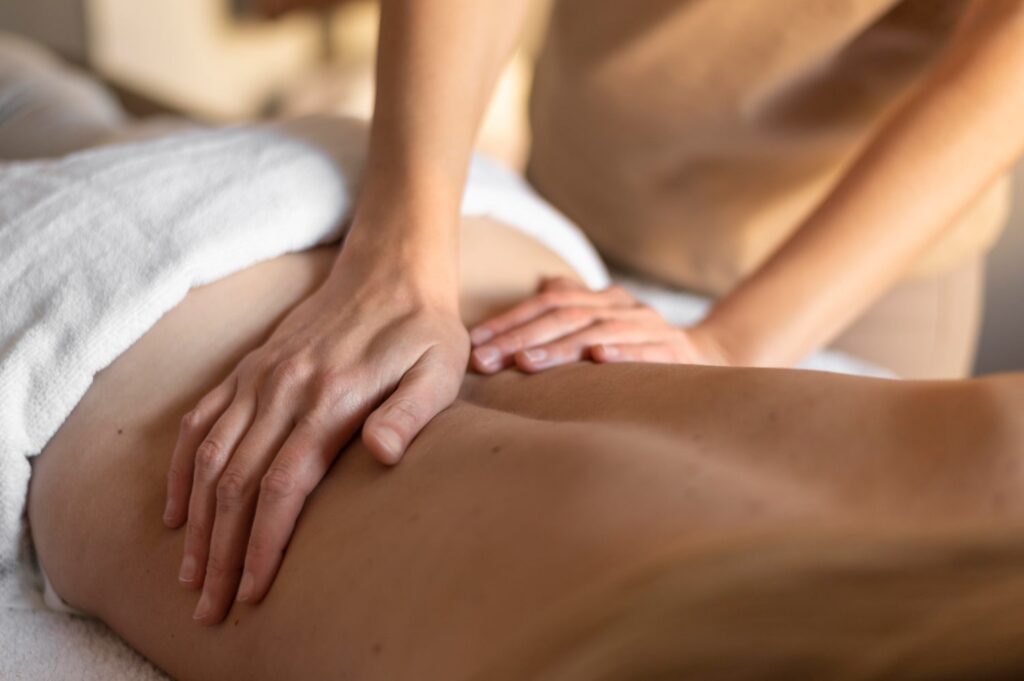
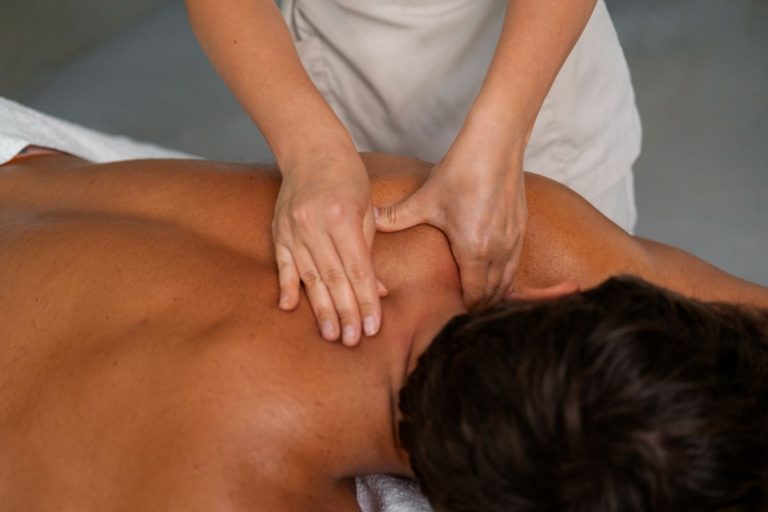
Many people resort to massage when they have a stiff neck, back pain, heavy legs or tension in the shoulders. These are often areas that are aggravated by sedentary work, poor posture, standing or intense physical activity.
With the right pressure and movements, massage can help muscles relax and reduce feelings of discomfort. The NCCIH reports that massage therapy is often used to manage pain, such as pain in the neck, shoulders, or other musculoskeletal areas.
You don't have to wait for your body to completely "lock down" to take care of it. Usually, preventing tension is much easier than trying to resolve pain that has been building up for weeks.
Helps blood circulation
Massage can create a feeling of warmth and lightness in the body. This is because the kneading and rhythmic movements stimulate the tissues and help flow in the area being worked on.
For many people, this is felt primarily in the legs, waist, neck, and shoulders. After the session, the body may feel more “open,” less tight, and more relaxed.
The Cleveland Clinic describes massage as a technique that works on the soft tissues of the body, with the goal of relaxation, reducing tension, and supporting overall well-being.
Contributes to better sleep
When the body is tense, sleep often becomes more difficult. You may lie down tired, but your neck, back, or legs may still feel tight.
Massage helps many people relax more deeply, which can also positively affect sleep quality. The Mayo Clinic lists insomnia among the conditions for which massage can provide support.
It's no coincidence that many people feel sleepy after a session. The body comes out of the tension of the day and more easily enters a state of rest.
Supports flexibility and mobility
Muscle tension doesn't just cause pain. It also limits movement. When muscles are tight, you may have difficulty turning your neck, bending comfortably, or moving without straining.
Massage can help the body move more freely, especially when stiffness comes from fatigue, sitting or everyday stress. The feeling after the session is often lighter. That is, less “wooden” body, softer muscles, more natural movement.
That's why massage can be useful not only when there is pain, but also when you simply feel that your body has lost its comfort.
Helps with recovery after fatigue or exercise
After intense training, long hours at work or physical exertion, muscles need time to recover. Massage can support this process, reducing the feeling of heaviness and helping the body relax.
Massage can help in cases such as soft tissue injuries, sports injuries, and post-operative care, when used in the appropriate context.
In everyday life, this means something simpler: if your body works hard, it needs care. Not just resting on the couch, but giving your muscles a real break.
Offers a sense of well-being and care
There is also a benefit that is not easily measured: the feeling of dedicating time to yourself.
Massage isn't just about the muscles. It's also about how you feel inside your body. A good session can help you reconnect with areas you've been used to ignoring, like a tight neck, a back that tires easily, or shoulders that are perpetually hunched over.
In a time when most people are moving fast and resting little, this is valuable. The body doesn't always ask for much. Sometimes it just asks for your attention.
When can you get a massage?

The frequency depends on your lifestyle, the tension you have in your body, and the reason you are getting a massage.
For general relaxation and well-being, a session every few weeks may be sufficient. If there is intense muscle tension, frequent exercise, standing or sitting work, more regular care may be needed.
The important thing is to listen to your body. If you feel like you're always waiting for pain to make an appointment, it might be worth taking a more proactive approach. Massage works best when it's part of a broader care plan, not just a quick fix.
You can see in detail in our article when you should get a massage based on the type of massage and your needs.
When is attention needed?

Massage is generally safe when performed by a qualified professional, but there are cases where caution is needed. If you have a recent injury, severe inflammation, fever, skin problem, thrombosis, serious illness, or are pregnant, it is a good idea to seek medical advice before the session.
You can see our detailed article titled what areas do we not massage and when is it prohibited so you can find out if it is safe to make an appointment and you can do so.
Before the session begins, inform the therapist about any pain, injuries, sensitivities, or areas you want them to avoid.