Sports Massage: What It Is, How It Is Done and What Benefits It Has
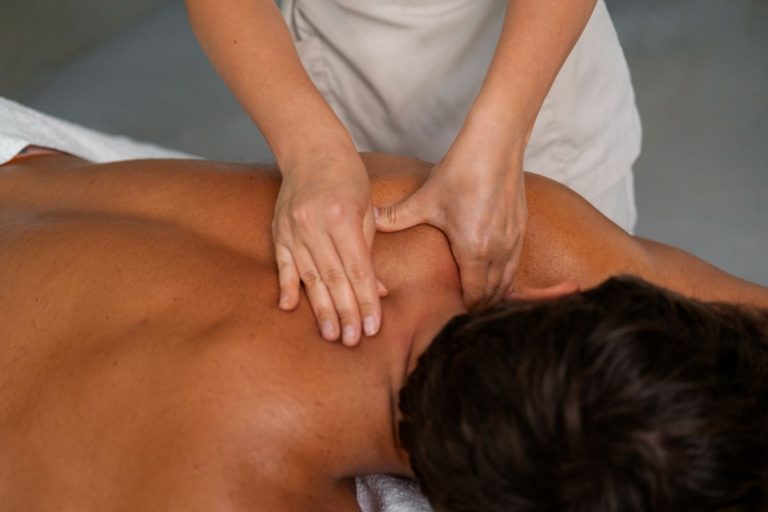
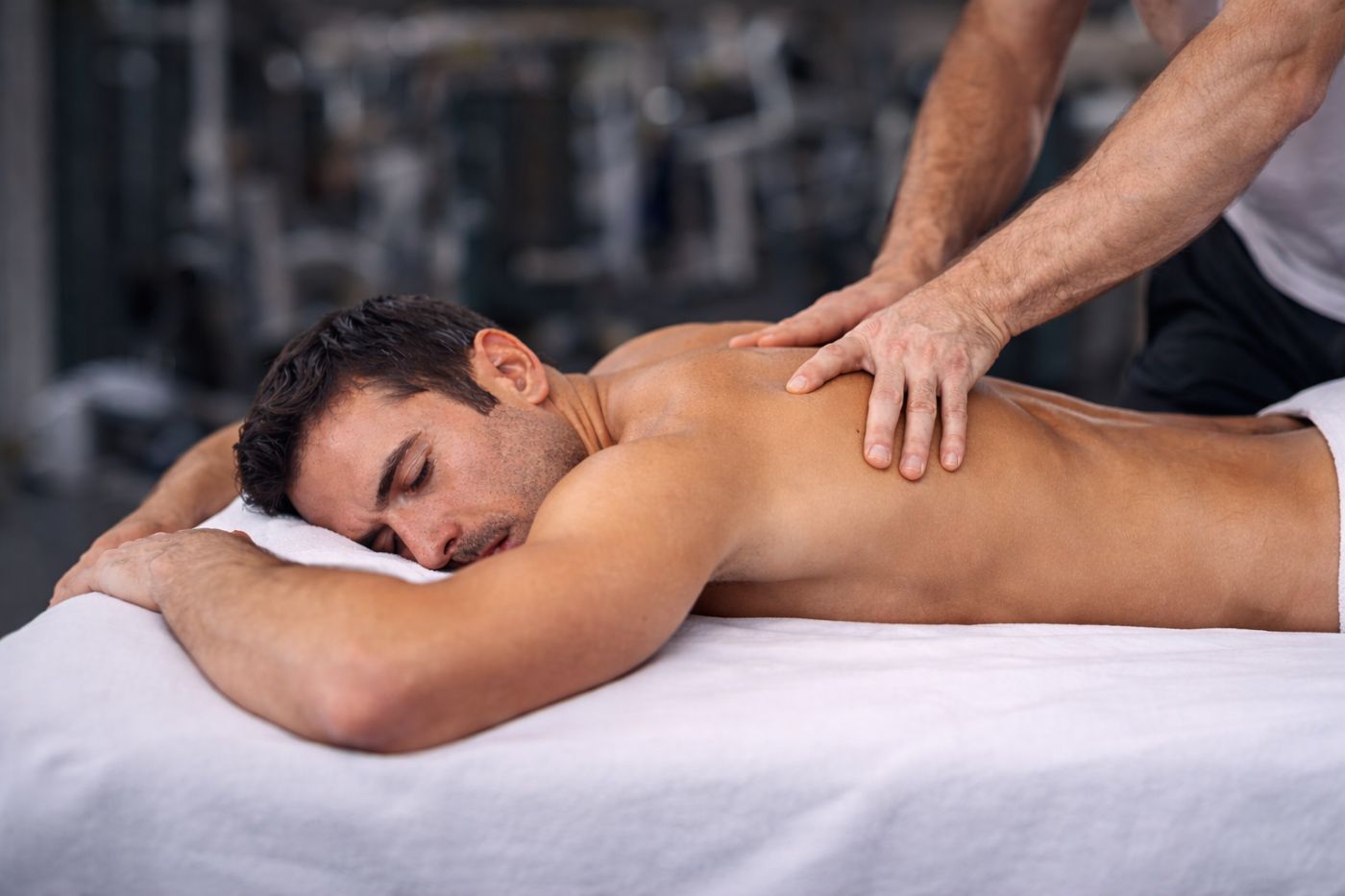
Sports massage is a specialized form of therapeutic massage that helps in pre-exercise preparation, post-exercise recovery, and reducing muscle tension from systematic strain. Its goal is not just relaxation, but also reducing muscle tension, improving mobility, supporting recovery, and better preparing the body before or after exercise.
Here’s the key: sports massage doesn’t just mean “very hard massage.” If it’s just pressure without a purpose, it’s not a proper session. Good sports massage has a purpose, timing, and technique. A runner before a half marathon needs one thing, and a person who lifts weights three times a week and has a tight back and legs from training and sitting for hours is another.
What is sports massage?
Sports massage is a specialized massage that works on muscles and soft tissues that are strained by exercise. It can be applied before training or competition, after exercise for recovery, or regularly as part of a maintenance and prevention routine. It is not the same as relaxation massage, as it has a more functional and therapeutic goal. Nor is it always synonymous with deep tissue, although in some sessions it may use deeper techniques when necessary.
In many cases, sports massage falls more broadly into the category of therapeutic massage, especially when the goal is restoration and functionality.
How does it work?
Sports massage usually begins with a brief assessment. The therapist asks about injuries, areas of tension, the goal of the session, and recent exercise stress. This is followed by a “warm-up” phase of the tissues with gentler massages, followed by more targeted work with deeper pressure, friction, trigger point techniques, kinesiology, or stretching, as appropriate. The session can be localized, for example, just the calves and hamstrings, or more comprehensive.
In practice, before exercise the techniques are usually faster and more energizing. After exercise they tend to be more decongestant and targeted at tired or “heavy” muscles. Proper sports massage is not a pain endurance contest. It can be intense, but it should not be uncontrollably painful.
If you want to see more comprehensively what the main ones are massage techniques and how to choose the appropriate one for each case.
Benefits of sports massage: what does it really offer?
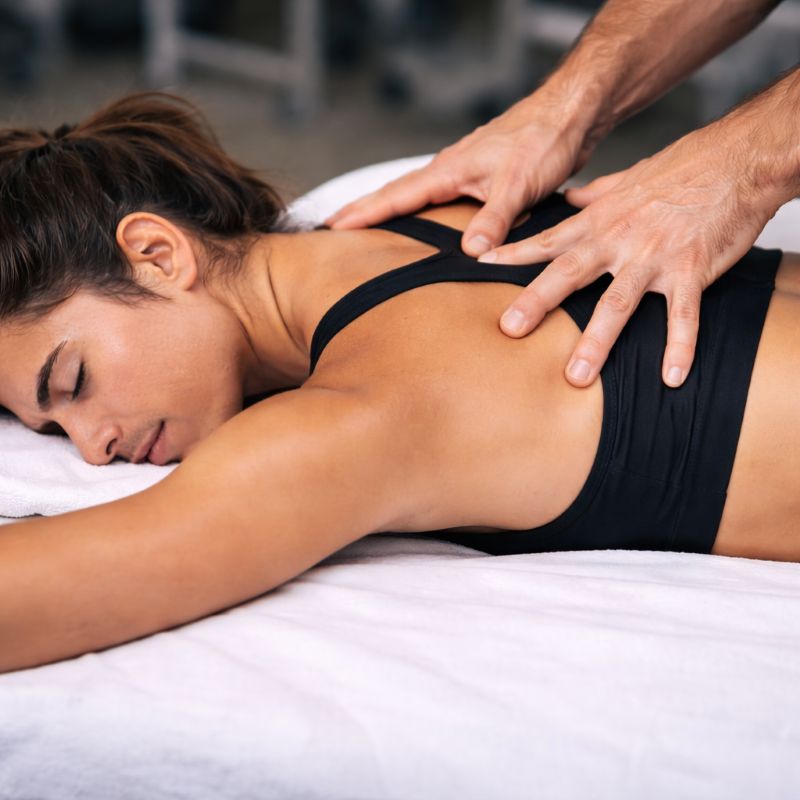
The benefits of sports massage mainly concern muscle tension, a sense of recovery and better mobility, not some "magical" boost in performance. More specifically, the benefits of sports massage are:
- reduction of muscle tension and the feeling of “stuckness”
- small but useful improvement in flexibility and sense of freedom of movement
- better sense of recovery after intense training
- supporting relaxation and reducing stress
- more targeted care to areas that are repeatedly stressed by the same sport or training pattern.
When is sports massage performed?
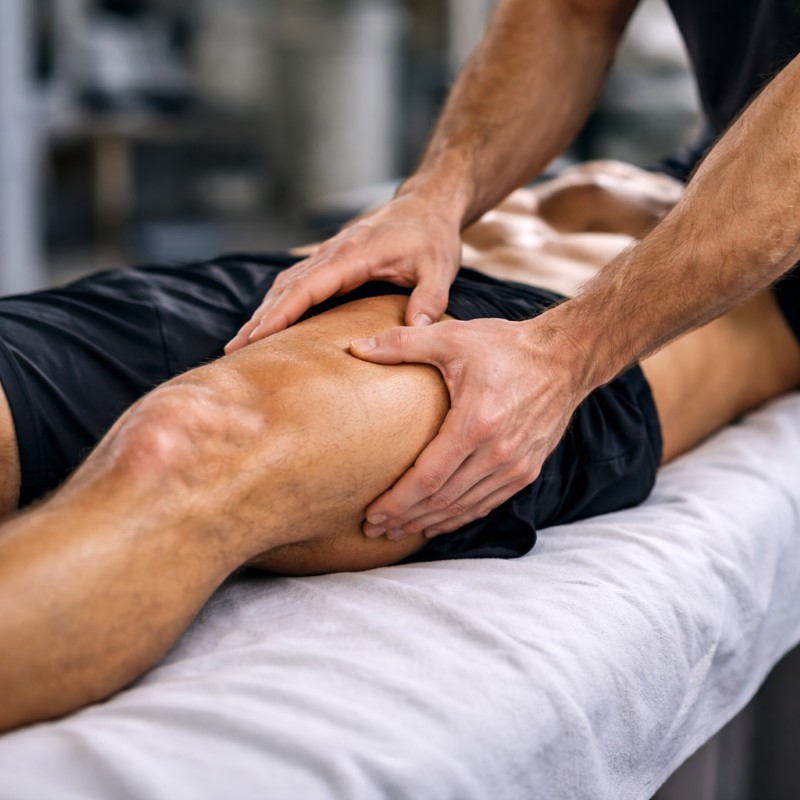
Timing changes the goal of the session. Before exercise or competition, sports massage is used more energizingly. You want the body to “wake up”, the tissues to move better and enter the effort more ready, not to come out completely relaxed. After exercise, the goal is usually to decongest, reduce the feeling of fatigue and better return to the next workout. There is also the conservative version, i.e. regular sessions during the training period, especially when there is repeated strain on the same muscle groups.
If you're wondering how often it makes sense to include it in your routine, take a closer look on how often should you get a massage depending on the goals and burden.
Who is it for?
Sports massage is not just for professional athletes. This is one of the biggest mistakes made when discussing the subject. It is also suitable for amateur runners, people who do weights, CrossFit or functional training, dancers, cyclists, but also for people who exercise regularly and simply feel that their body is “collecting” tension. Even someone who works long hours sitting and at the same time trains often benefits more than they think.
Sports massage or deep tissue massage?
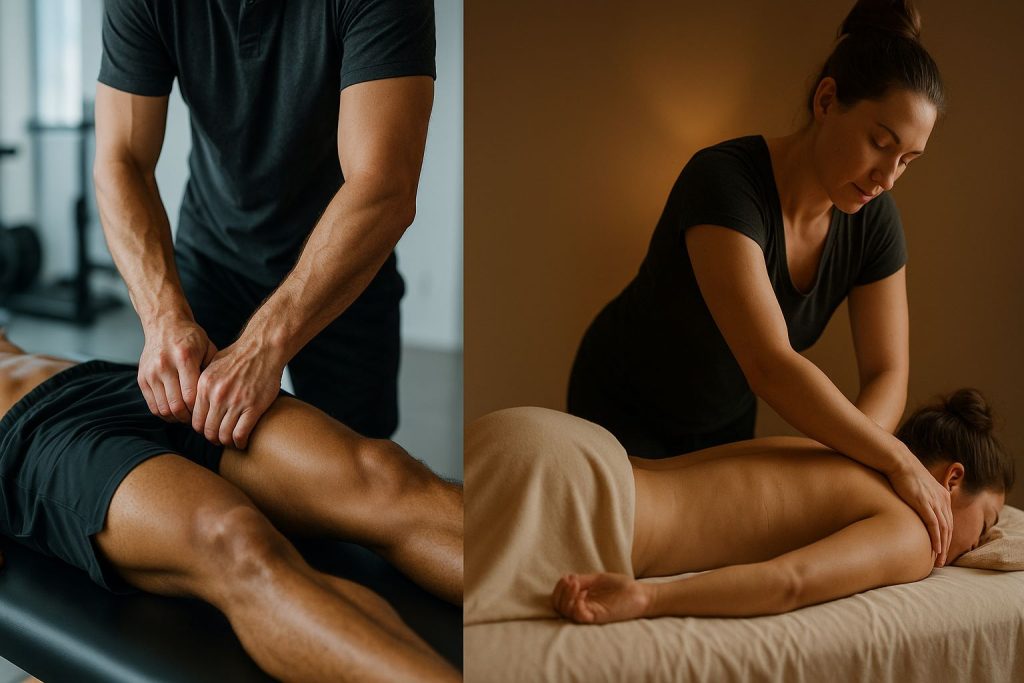
Sports massage and deep tissue massage are similar in one way: both can be targeted and deeper than a relaxation massage. But beyond that, they are not the same thing. Sports massage is more directly related to exercise, prevention, rehabilitation, and functionality. Deep tissue massage is more generally oriented towards chronic tensions, “knots”, posture and deeper tissue restrictions, without necessarily having an athletic context. Simply put, every athlete may need deep tissue at some point, but not every deep tissue session is a sports massage.
If you are confused between the two techniques, see the detailed differences between sports massage and deep tissue massage.
Does sports massage hurt?
It can be more intense than a relaxing massage, yes. But it shouldn’t make you tense up the entire time or feel like you’re “holding it because you have to.” The right pressure is the one that works the tissue without losing control. A good therapist will tailor the session to your body that day, not a generic scenario.
If you feel tenderness or heaviness in your muscles after the session, see what it could mean. pain after massage and when is it expected?
When is it not appropriate?
Here's where some seriousness comes in. If you have a fever, active infection, suspected clot, increased risk of bleeding, are taking anticoagulants, or have any other medical condition that increases your risk, don't just jump right into a vigorous massage as if nothing is wrong. The NCCIH states that serious complications from massage are rare but have been described, especially with more vigorous/deep approaches or in people at increased risk, while the Mayo emphasizes that medical guidance is needed in cases like bleeding disorders or blood thinners.
If there is an injury, inflammation or medical limitation, it is good to know and when is massage prohibited before you book the session.
Conclusion
Sports massage is useful when used correctly: with a clear goal, proper timing, and proper technique. It is not just for elite athletes, nor is it “a strong massage and that’s it.” It is a practical tool for those who want less muscle tension, better movement, and smarter recovery in their daily lives or training.
If your body feels constantly burdened by workouts, running, weights, or repetitive strain, the next right step is not another generic massage. It's a targeted session that knows what it's trying to achieve. And that's where all the difference is made.
Ready to try?
If you exercise regularly and feel that your body is constantly stressed from workouts, running or weights, check out the service Sports Massage in Athens and find out if a more targeted session is what you need right now